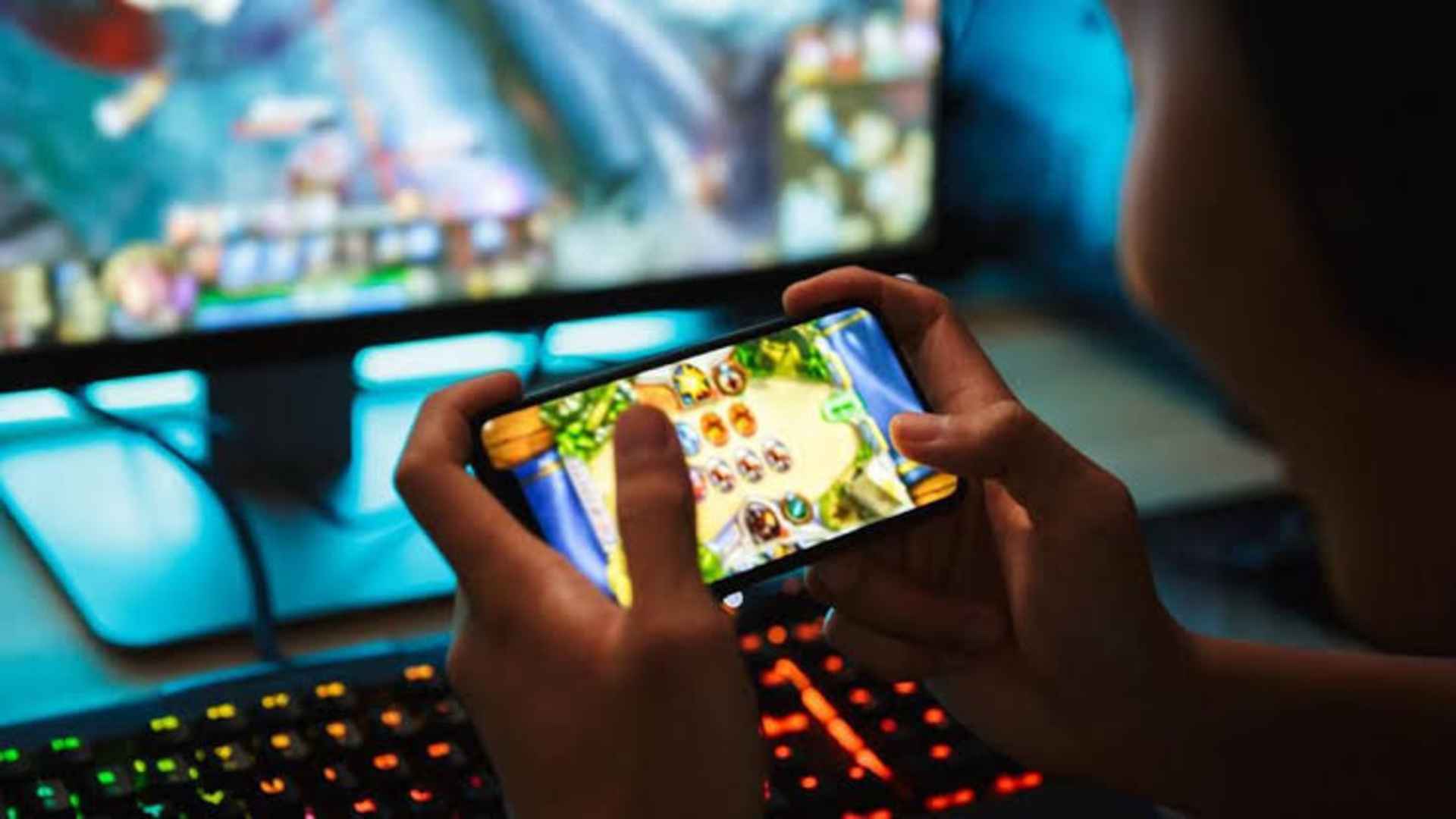
Traditional media consumption habits have shifted dramatically over the past decade, forcing professional sports organizations to rethink how they connect with younger fans. Today, younger demographics spend significantly more time engaging with interactive digital media than watching traditional ninety-minute television broadcasts. To bridge this generational divide, modern football clubs are increasingly turning to video games and esports ecosystems as vital tools for brand growth and international audience engagement.
The Shift Toward Interactive Sports Entertainment
For younger generations, supporting a football team is no longer defined solely by attending live matches or purchasing cable subscriptions. Interactive gaming environments offer a participatory experience that aligns much more closely with modern digital lifestyles. By integrating their brands into popular gaming platforms, clubs can establish early connections with fans who might not otherwise follow live domestic leagues.
This transition allows teams to maintain visibility in space where younger audiences naturally gather and interact. Interactive simulations give fans control over their favorite players, fostering a deeper sense of personal involvement with the sport. Consequently, virtual pitches have become primary touchpoints for building lifelong emotional attachments to real-world teams.
Building Official Esports Divisions and Gaming Hubs
Rather than relying entirely on third-party publishers, many top-tier European and international clubs have established dedicated esports divisions. These internal organizations sign professional gamers to represent the club in international tournaments across games like EA Sports FC and Rocket League. By competing under the club’s official crest, virtual athletes extend the team's reach into competitive gaming communities worldwide.
In addition to roster investments, clubs are creating physical gaming facilities inside their stadiums and training grounds. These hubs serve as content creation spaces where professional football players collaborate with gaming creators on livestreams. This blend of traditional athletics and digital entertainment creates authentic content that resonates strongly with Gen-Z viewers.
Digital Merchandise and In-Game Branding
Virtual fashion and digital cosmetics have emerged as powerful tools for club monetization and audience outreach. Through official partnerships with game developers, football teams regularly release digital kits, stadium banners, and custom celebration animations inside popular titles. Young fans take pride in dressing their digital avatars in their team's colors, converting virtual identity into real-world brand loyalty.
These digital assets allow clubs to test innovative kit designs and commercial partnerships in a risk-free virtual environment. By meeting Gen-Z consumers inside the games they play daily, clubs create organic brand impressions that feel seamless rather than intrusive. This strategy effectively turns casual gamers into active participants in the club's global digital community.
Connecting Live Matches with Digital Fan Experiences
Forward-thinking organizations are increasingly merging matchday festivities with virtual activations to create a unified ecosystem. Interactive fan zones at stadiums now frequently feature gaming lounges where supporters can compete before kickoff. Furthermore, live broadcasts regularly incorporate digital statistics and gaming-inspired visuals to appeal to viewers accustomed to modern user interfaces.
Ultimately, gaming is no longer viewed as a competitor to traditional football, but as its most effective gateway for future growth. By embracing interactive platforms, professional clubs ensure their cultural relevance for decades to come. As technology continues to evolve, the distinction between real-world fandom and digital engagement will only become more integrated.